Commercial lighting
Commercial lighting supports both people’s work and the daily operation of a building. Offices, meeting rooms and reception areas have different needs. A useful scheme considers desks, screens, daylight and future layout changes rather than simply making everything brighter.
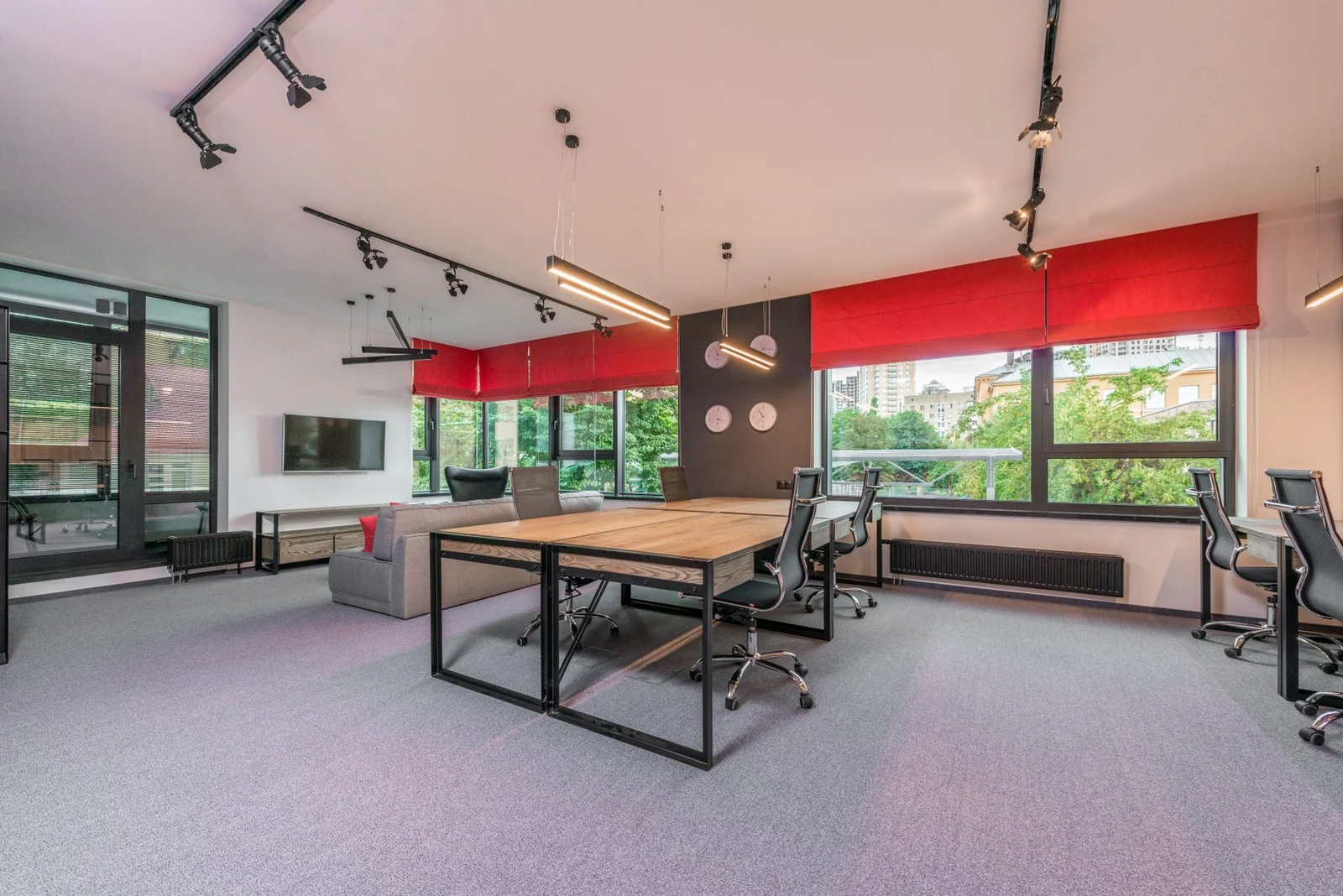

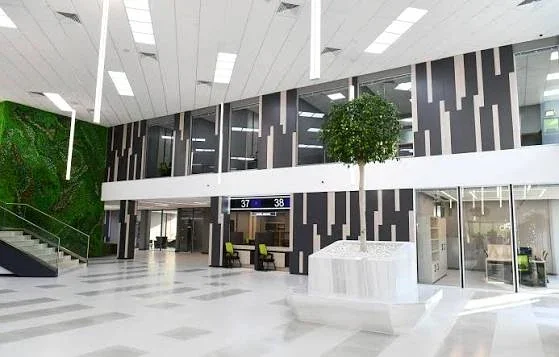
Design around people and screens
Light distribution and viewing direction affect comfort at a desk. Bright surfaces, exposed sources and screen reflections can distract users. Coordinate lighting lines with workstation groups; in meeting rooms, balance visibility of faces with presentation screens. Window-side and deeper zones may need separate control. Consider what happens when desks move: a symmetrical ceiling arrangement alone does not ensure a comfortable workspace.
Choose the appropriate system
Suspended and surface linear fittings can follow the organisation of work areas. Panels may provide ambient light, while spots can highlight reception desks or displays. Check anti-glare optics and distribution for the actual model. An office or LED label does not establish suitability for every workstation. Ceiling construction, cable routes, installation and maintenance access all influence the choice. Catalogue options need technical review before becoming a project specification.
Control light according to use
Zoning can help avoid lighting unoccupied space unnecessarily. Presence detection, daylight response and schedules should reflect the operating pattern. A DALI proposal needs compatible drivers, a controller and a commissioning plan considered together. DALI and dimming are not universal product features. Energy savings depend on the installation and its use; unverified percentages or payback periods are not promised.
Plan for ongoing operation
Accessible drivers, replaceable components and logical grouping make maintenance easier. Provide the layout, desk arrangement, ceiling sections, operating hours and control requirements when requesting a proposal. The products below represent different parts of an office lighting scheme. Confirm power, optics and compatibility against the actual project brief before selection.