Retail lighting
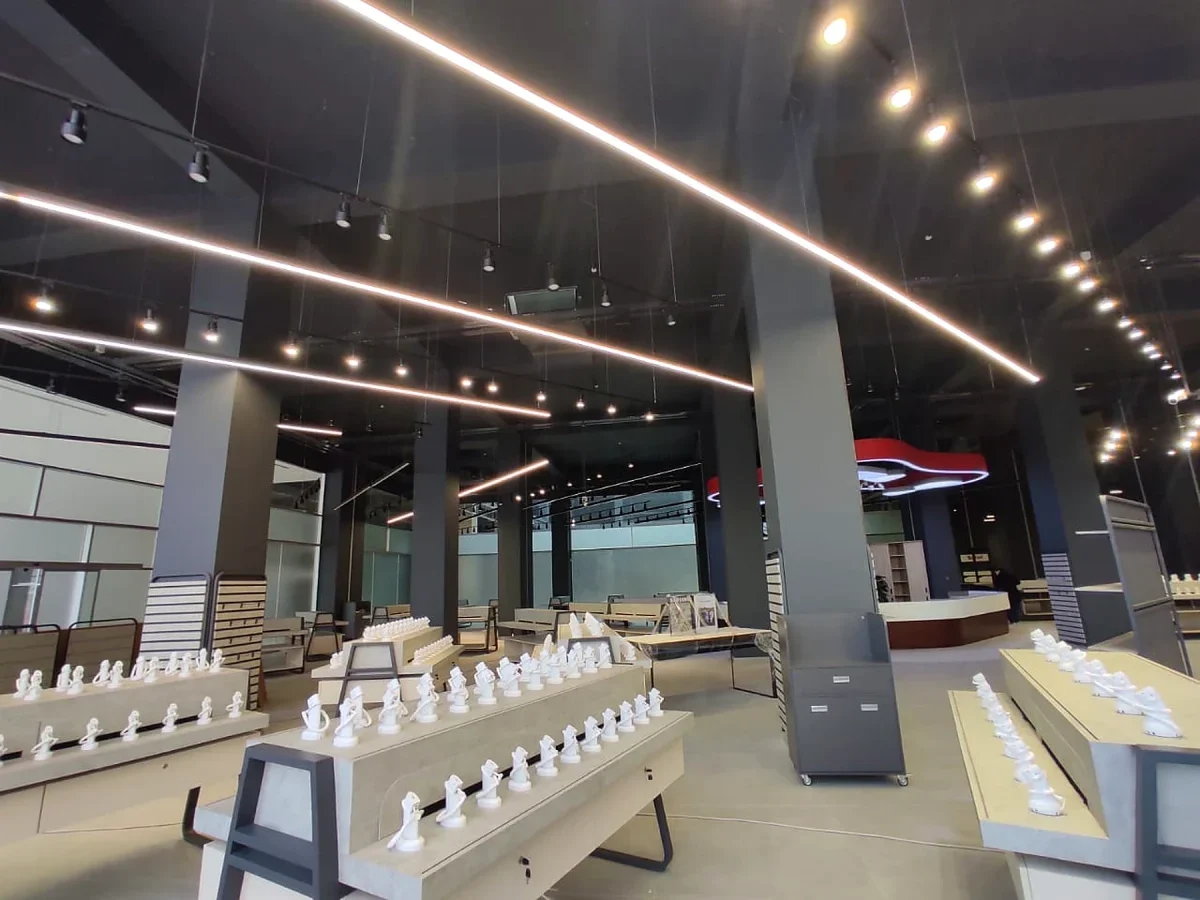
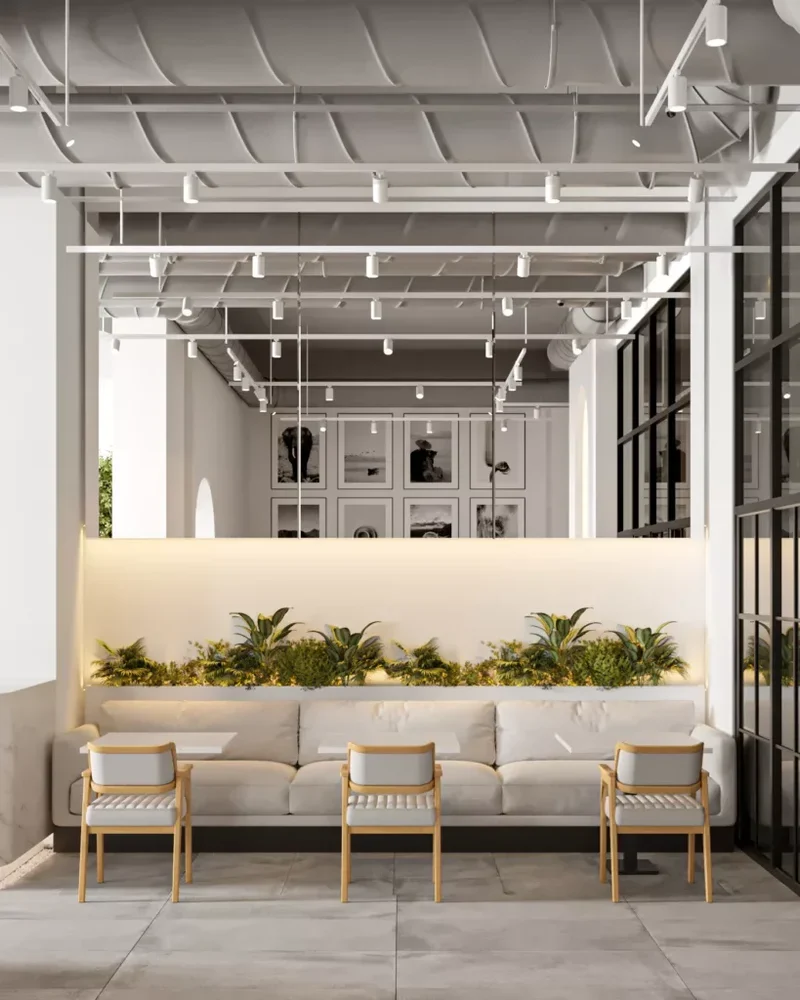
Retail lighting helps customers examine products, understand the space and feel comfortable. Windows attract attention, ambient light guides movement and accents draw focus to merchandise. Balancing these layers matters more than brightness alone. Track, spot and linear options from General Lighting should be assessed against the actual retail format.
Present products and colour clearly
Clothing, cosmetics, furniture and other merchandise need to look natural and legible. Where colour-rendering data is known, compare it with the task; never assume an unknown CRI value. Reflections on glossy packaging can obscure labels. Check direction, beam footprint and background together. Bringing a sample material or product for a lighting trial is more useful than judging texture entirely from a photograph.
Allow displays to change
Track systems can make accents easier to reposition as displays evolve. Magnetic and conventional track components are not interchangeable by default: mechanical, electrical and control compatibility must be verified. Shelf height, window depth and ceiling level influence optics. A plan following the display rhythm is clearer than a random concentration of sources. Identical aiming does not automatically provide an even result; assess shadows and angles on site.
Support the customer journey
Aisles, fitting rooms and checkout areas deserve attention too. In fitting rooms, reduce harsh shadows on faces and clothes; at checkout, ensure useful visibility of the working surface. A window competes with street brightness by day and relates differently to the interior at night. Controls can accommodate that change. Avoid sources in customers’ direct view at entrances and shelves. Decorative showroom lighting should support the setting without overpowering merchandise.
Turn selection into a brief
Provide the sales-floor plan, shelf dimensions, window views and merchandise types. Note how frequently displays change and identify the existing track system. Products below are selection tools, not a universal package. Choose optics, power and controls from confirmed information. The aim is honest product presentation, comfortable circulation and flexibility as the store develops.